'Vibe Coding', AI-Enhanced Development, and the New Cost of Responsibility
February 3, 2026

AI has changed how software gets written. That is unquestionable.
What's often misunderstood is what that change actually means. Much of the conversation collapses into a single phrase: “vibe coding,” framed either as the inevitable future of development or as a shortcut.
We see it differently. What's changing is not the relevance of engineering. It's where that knowledge is required and applied.
In this second edition of Signal by AMPD Labs, we explore why speed alone is no longer enough in an AI-powered world. Writing code and iterating on solutions is cheaper and faster than ever, but reliability cannot be treated as an afterthought. Context, judgment, and constraints must be designed into systems from day one.
The hardest problems now live upstream of the code, in how software is structured, bounded, and allowed to interact. As AI becomes a builder itself, security, permissions, and dependencies must be intentionally embedded. Fast execution without understanding creates risk, and risk must be designed out from the start.
One night, someone on our team turned a late-night coding session into a working game prototype within hours. At the same time, our Chief Strategy Officer Sam built a task agent that turned voicenotes and meeting discussions into actionable tasks. Another team member created a native AI-powered audio-switching tool that shipped in minutes with no extra dependencies.
This is who we are: we deliver high-end client prototypes and build tools that improve our workflows and sometimes our lives. These projects showed how AI accelerates work but also reinforced that real engineering judgment is essential. Knowing when to question outputs, manage risk, and design responsibly is what makes speed reliable.
AI is most powerful when used by people who understand the systems they are shaping.
You cannot ‘vibe’ every project. You have to know how it works, especially when it works this fast.
Coherence as a Competitive Advantage
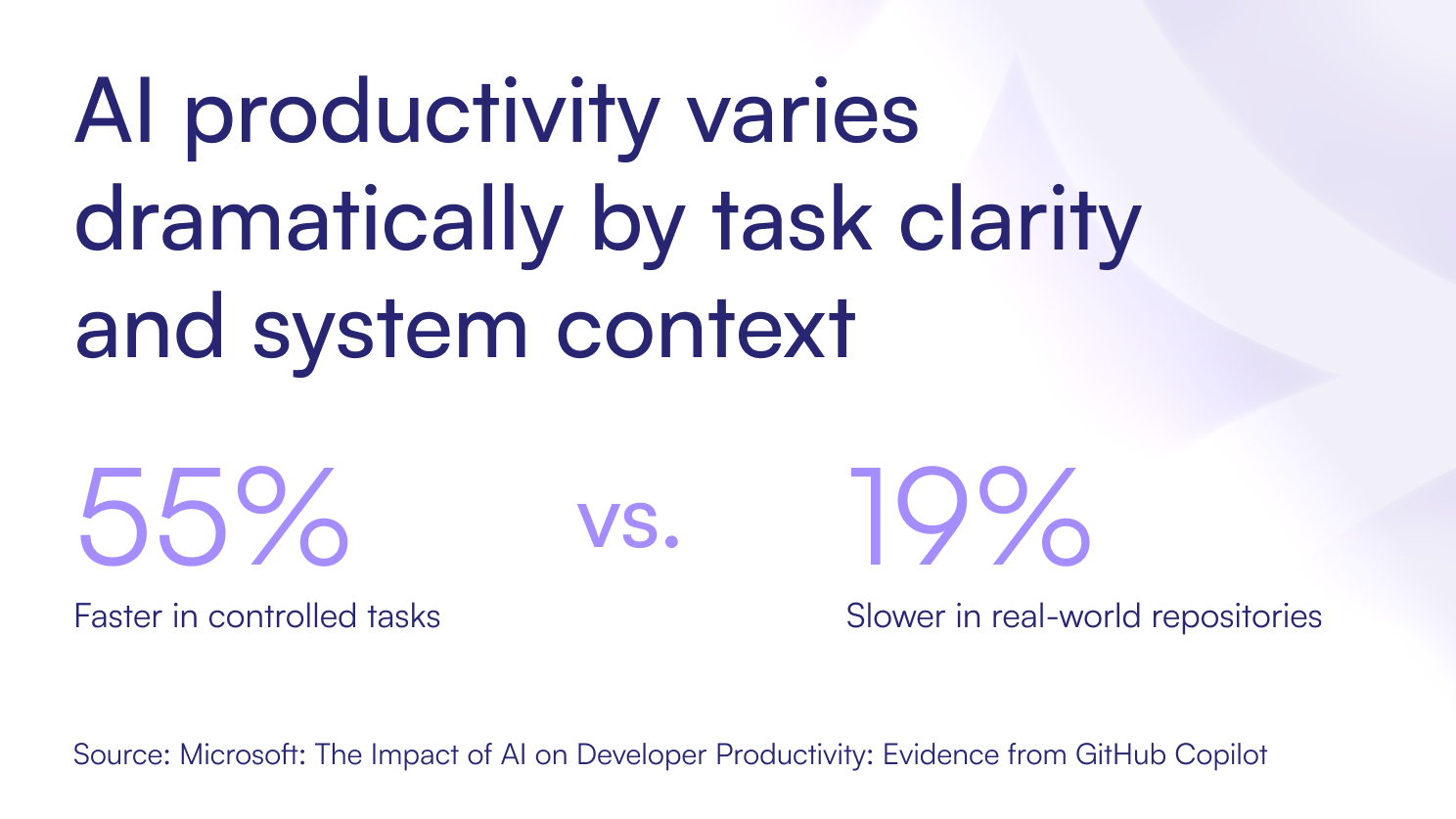
AI can accelerate development under the right conditions. GitHub and Microsoft reported that developers using AI assistants completed defined JavaScript tasks roughly 55% faster than those without AI. But these gains don't generalize automatically. AI does not inherently favor large teams. In fact, it can expose their weaknesses: inconsistent architectural understanding, multiple code owners, and conflicting processes can compound errors. Smaller teams often outperform because they maintain:
- A shared architectural model
- A single definition of quality
- Explicit constraints
- A consistent operating rhythm
The Limits of AI-Driven Execution
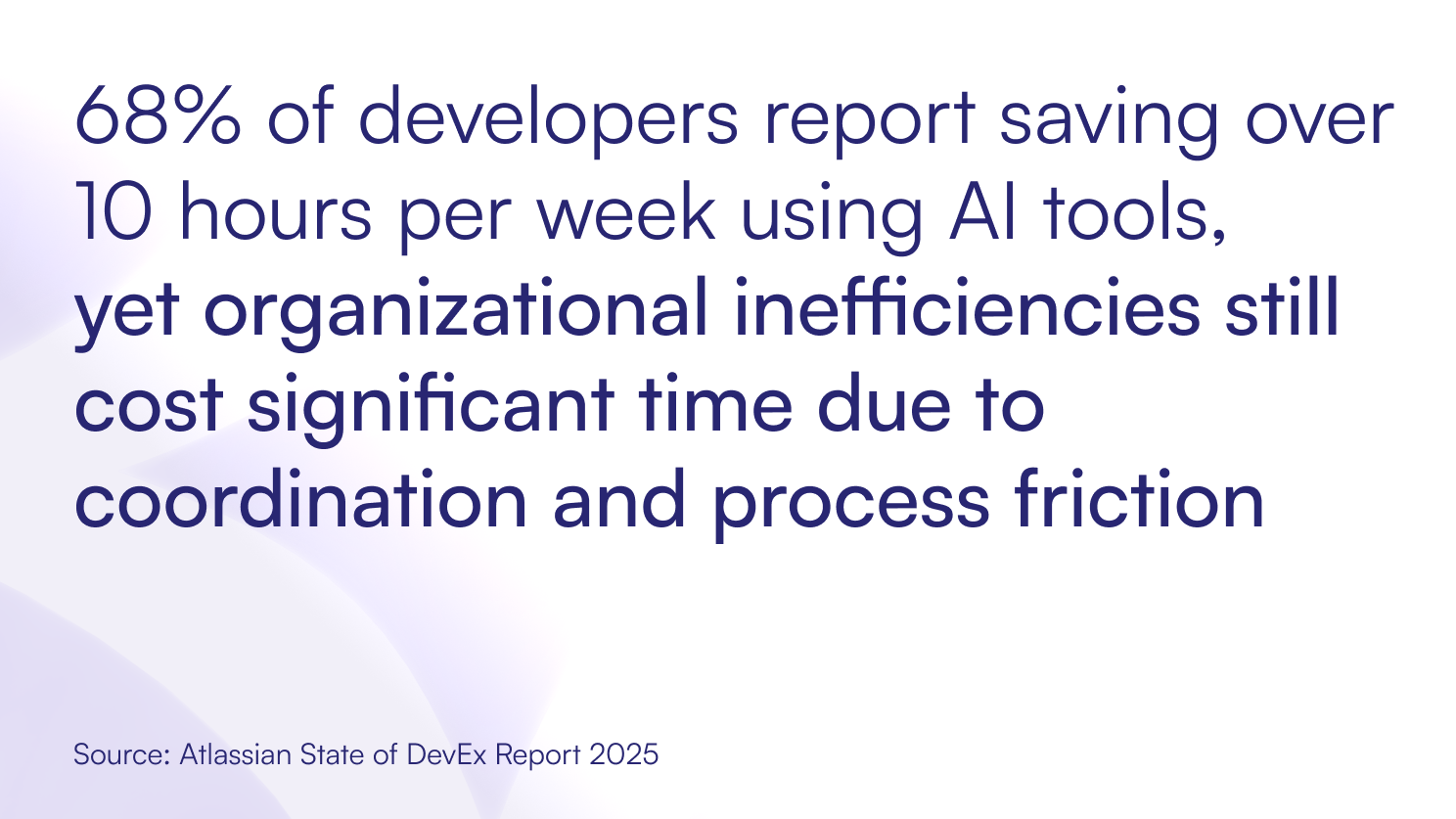
One risk of the current moment is that AI rarely introduces friction. It will happily generate alternatives, expand scope, and propose features indefinitely. That makes it an effective ideation tool but a poor governor. AI doesn't decide when to stop. As execution gets easier, leadership increasingly looks like constraint setting:
- Committing to a direction early
- Cutting scope deliberately
- Defining boundaries the system must respect
- Resisting the illusion of one-shot solutions
Collapsing execution costs alone does not produce better systems.
Permission Debt and the New Risk Surface
In AI-enhanced workflows, uncontrolled access is the primary risk. Every AI agent operates with permissions. Every permission expands the attack surface. Modern tools can install dependencies, call external services, access credentials indirectly, and execute actions faster than traditional review cycles. Without strong governance, risk accumulates quietly.
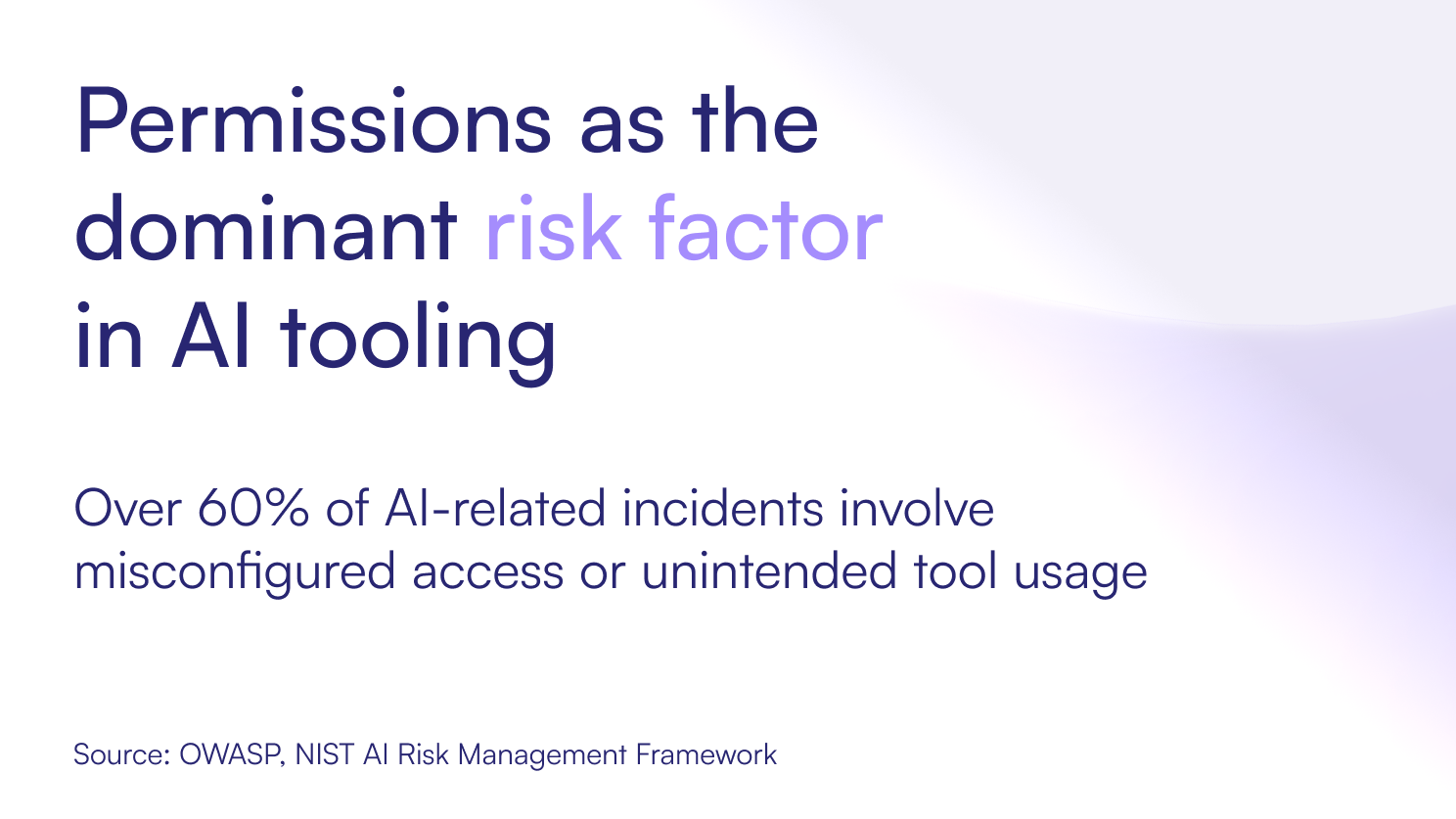
This risk intensifies when non-engineers deploy production changes without deep familiarity with dependency management, supply-chain security, or access control.
Effective governance must be embedded in workflows:
- Least privilege by default
- Explicit allowlists for tools and dependencies
- Immutable audit trails
- Sandboxed environments
- Mandatory human review before production
If you can't clearly answer what an AI agent is allowed to touch, speed becomes indistinguishable from exposure.
We adopt AI where it increases leverage: prototyping, refactoring, migrations, documentation, and pattern analysis. We reject the idea that speed alone equals progress. AI-enhanced development raises the bar for system thinking, shifting value from typing to architecture, constraints, and judgment.
The future is not that everyone becomes an engineer. It is that engineering becomes less about writing code and more about designing systems that can be trusted to evolve.
Worth tracking:
- How AI assistance impacts the formation of coding skills: Anthropic's research examines whether AI tools help or hinder developers' learning of coding skills, finding that while AI can speed up tasks, heavy reliance may reduce understanding and mastery of the code written.
- How I code with AI right now: This video breaks down a developer's current AI-enabled coding workflow, from planning with models to execution, reviews, and Git usage, showing how integrating AI can fundamentally change productivity and practices, and why understanding those workflows matters for shaping future development norms.
More soon.